PSE&G net metering
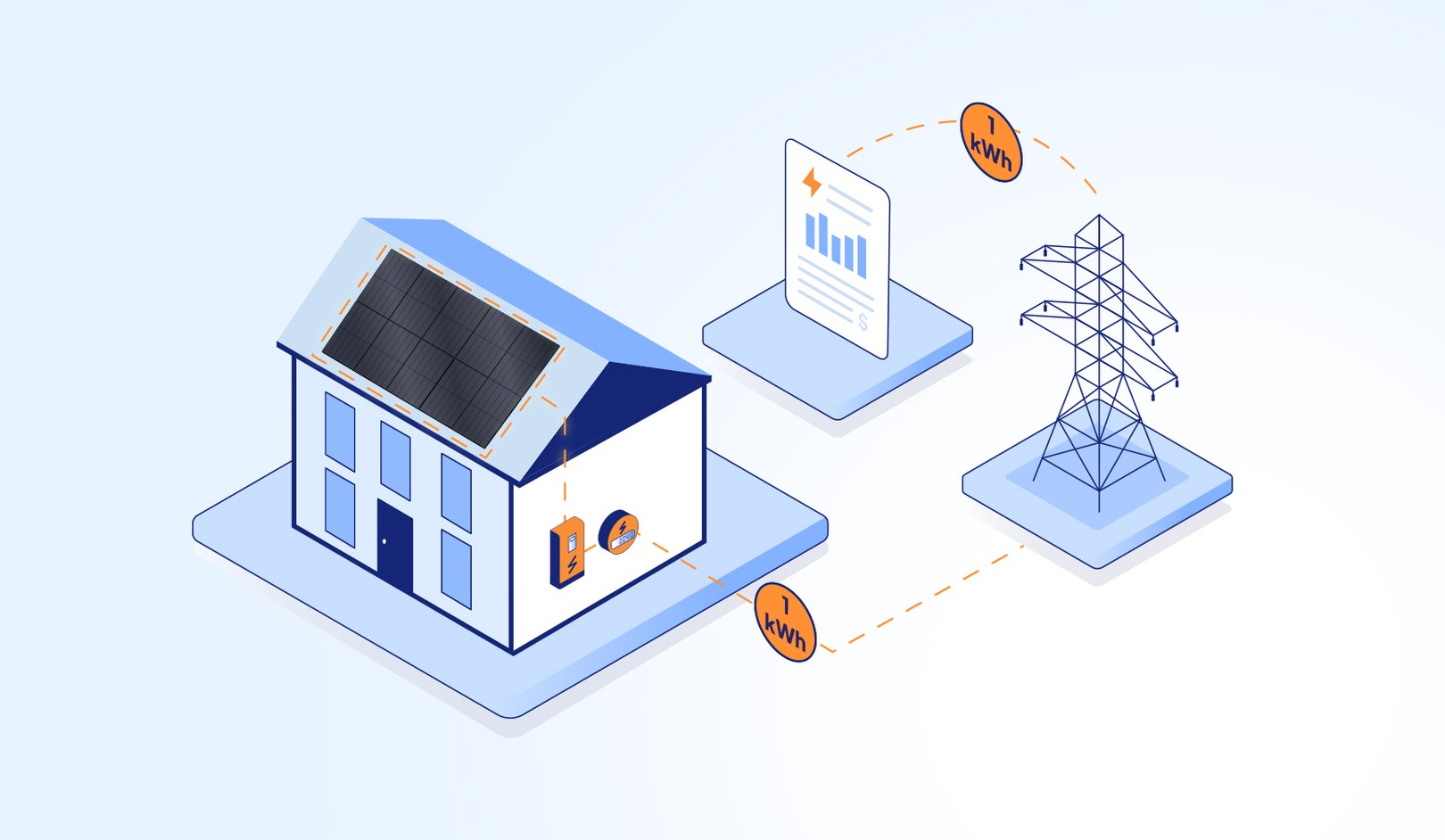
Public Service Enterprise Group (formerly Public Service Corporation of New Jersey and Public Service Electric and Gas Company) is an electric utility company in New Jersey that was established in 1903. They offer net metering to certain areas within their jurisdiction. If your home qualifies, you can connect your solar system to their power grid by following their steps. All utility companies under the New Jersey Board of Public Utilities offer net metering, which means that you can receive credits for excess energy your solar system produces.
PSE&G offers net metering in certain areas of New Jersey, including (but not limited to): Some of the towns suitable for net metering include:
Bloomfield
Clifton
East Orange
Fair Lawn
Fairfield
Garfield
Haledon
Hawthorne
Irvington
Little Falls
Livingston
Montclair
Newark
North Haledon
Orange
Passaic
Paterson
Totowa
Wayne
West Orange
Their grid is made up of many individual electric circuits, so some areas may be more accommodating for solar power than others. The areas listed above have electric circuits that can safely accommodate electricity generated by a metered solar system.
PSE&G does not have a cap on the total number of systems that can subscribe to net metering. However, individual systems must be sized so that the energy you produce does not exceed your annual energy needs.
PSE&G is one of four electric utilities regulated by the New Jersey Board of Public Utilities. All four offer net metering by state mandate. Jersey Central Power & Light, Atlantic City Electric, and Rockland Electric offer the same levels as PSE&G and include the same application fees. They all also have restricted areas for net metering, so some jurisdictions may not be able to connect to the grid. Overall, these restrictions and prices make all four utilities very comparable.
Excess energy generated by your solar system is credited to your account at retail rate. So, you will receive credit based on excess kW produced and the retail price at the time of production. You may be credited up to 100% of your electricity usage. At the end of one year, any excess credits will be credited at the wholesale rate (Locational Marginal Pricing) instead of full retail credit. The capacity of your system cannot exceed your annual electric needs.
PSE&G offers a program help make owning solar panels affordable. The program, called the Solar Loan Program, finances a large part of the customer’s solar system and gives the customer a payment plan. Residential customers are eligible for 10-year loans that can be repaid with cash or using Solar Renewable Energy Certificates (SRECs).
New Jersey residents also have access to New Jersey’s SREC market, which can result in significant additional annual savings. Learn more about New Jersey’s solar incentives in EnergySage’s New Jersey solar rebates and incentives guide.
The last step to have your solar panels connected to the grid is to submit an interconnection request, which your solar installer will often do on your behalf.
The interconnection application process depends on your system size. If your system is sized under 10kW, you fall into the Level 1 category. If your system produces over 10kW, you fall into Level 2. In special cases where you need special equipment to connect to the grid, you may fall into Level 3. Once you determine your system size, you can submit an application along with with your application fee (which can be found in the table below).
PSE&G’s engineering department will review your application, and within 3 weeks you will be accepted to or denied from the program. Finally, you will need to send an approved Uniform Construction Code (UCC) to PSE&G, at which point your bi-directional meter will be installed.
Once you receive Permission to Operate (PTO), you can turn your system on and begin net metering.
Category | System Size | Application Fee |
|---|---|---|
Level 1 | 10 kW or under | No fee |
Level 2 | Over 10 kW | $50, plus $1/kW |
Level 3 | Over 10 kW, and requires | $100, plus $2/kW |
You wouldn’t buy a car without comparing a few options first.
Shouldn’t solar be the same?
Compare multiple solar quotes on EnergySage
With EnergySage, you can compare your solar options when you receive quotes from the best local solar installers near you.
Most homeowners save around $60,000 over 25 years
- Vetted installers
- Unbiased advice
- Completely free
Get a quick estimate of your savings with solar
Find out how affordable solar is for your home with our Solar Calculator, or simply register your property today to get quotes.
Check out solar companies in New Jersey:



Avoid peak rates and keep your essentials running, even when your street loses power.
