South Carolina Electric & Gas (SCE&G) net metering
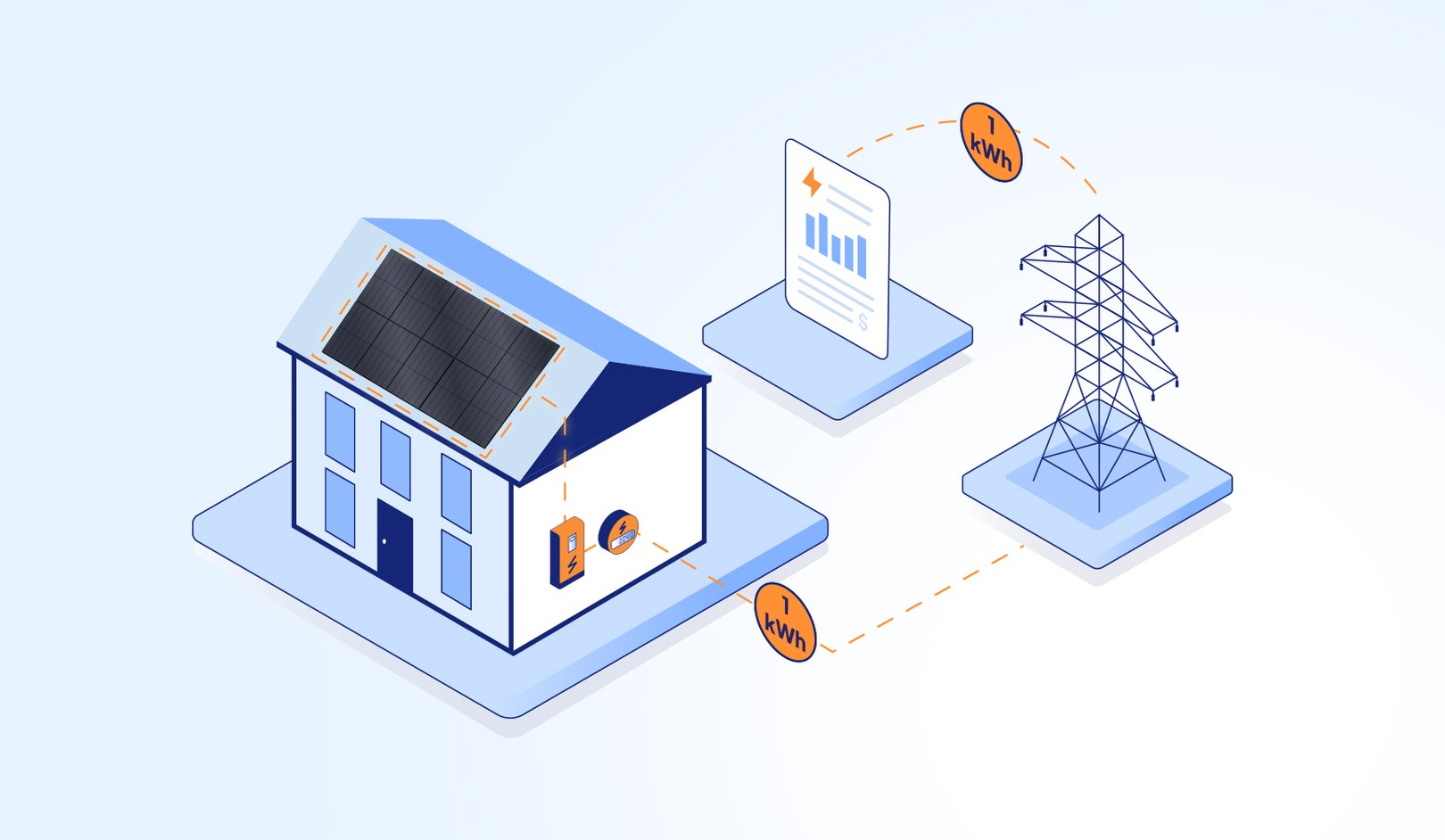
The South Carolina Electric & Gas (SCE&G) net metering program allows customers with solar panels to cover their monthly electricity bills with the solar power they generate. Any energy generated beyond what you use in a month is carried over as a credit on your next month’s bill. If your panels aren’t producing enough energy to fit your needs in a month, you can use the credits you have accumulated. At the end of the net metering year (November) you will be reimbursed for any excess kilowatt-hours (kWh) that you didn’t use.
SCE&G provides electric and natural gas service to across their 22,000 square mile service territory in central, southern and western South Carolina. This includes service in parts of:
Abbeville County
Greenwood County
McCormick County
Saluda County
Edgefield County
Lexington County
Aiken County
Charleston County
Dorchester County
Berkeley County
Orangeburg County
Bamberg County
Calhoun County
Richland County
Fairfield County
Union County
Newberry
Barnwell County
Allendale County
Hampton County
Jasper County
Beaufort County
Colleton County
The rates and pricing for SCE&G’s net metering program depend on your current electric rate, which depends on your property type. Most likely, you fall under one of SCE&G’s residential service rates for individually metered private residences and apartments. Net metering works the same for all residential rates – every kilowatt hour (kWh) produced by your system that you don’t use is fed back to the grid. Every kWh sent to the grid earns you a credit that you can use towards your bill the next month at the same rate as your current electric service.
At the end of the year you may not have used all of the credits you accumulated. SCE&G will pay for that excess electric production at the cost they would have spent to supply the power themselves.
SCE&G has many different electric rates, a list of which can be found here. Residential customers under rates 1, 2, 5, 6, 7, and 8 are eligible (as of 1996 rate 1 is closed and not available to any new structure).
Residential Rate Type | Stipulations for Rate Type | Rate per Month |
|---|---|---|
Rate 2: low use residential | Consumption has not | Basic facilities charge: $10 |
Rate 5: time-of-use | Price of electricity | Basic facilities charge: $14 |
Rate 6: energy saver/conservation | Home must meet thermal | Basic facilities charge: $10 |
Rate 8: residential service | Standard charge for | Basic facilities charge: $10 |
SCE&G is under South Carolina’s net metering policy, which places the cap at 2% of each utility's peak capacity. This means that the amount of solar that can subscribe to net metering is capped at 2% of the company’s average peak electricity demand over the past five years.
Residential net metering customers are also limited by the size of their solar panel systems. Customers can only install systems of 20 kW or less. Non-residential customers can install systems of whichever is a lesser amount – sized to 100% of electricity needs or 1 MW.
In August 2009 the South Carolina Public Service Commission issued an order that standardized the structure of net metering programs offered by all investor-owned utilities in the state, which includes SCE&G. According to the order, all excess generation is credited to the next month’s bill.
However, some utilities may charge fees that only apply to net-metering customers. For instance, Duke Energy requires that net metered customers switch to time of use tariff (with potentially high demand charges) or charges customers monthly fees. Other differences between electric utilities depend on rate schedules and pricing.
If your solar panel system is sized to meet your electricity needs there will be some months you produce more power than you need and others where you do not produce enough power. During months you produce excess electricity that energy will be carried over into the next month in the form of credits. One credit is equal to one kWh.
At the end of the year you may have excess credits left over. If so, SCE&G will compensate you for those kilowatt hours at the “avoided cost rate.” The avoided cost rate is the amount it would cost SCE&G to produce the kilowatt hours from other sources.
SCE&G does not offer rebates or financing for solar. However, you can take advantage of federal and state tax credits that will significantly reduce your costs. The state of South Carolina has a tax credit of 25% of eligible costs, with a maximum incentive per year set at $3,500 or 50% of taxpayer’s tax liability for that year (whichever is less). Learn more about this and other South Carolina rebates & incentives with EnergySage’s South Carolina Solar Incentives guide.
The last step in connecting your solar panel system to the grid is submitting an application through SCE&G’s system. There is a processing fee of $100. You will need the following information for the application:
SCE&G electric account number
Installer’s name and contact information
Proof of property insurance
A completed version of this diagram, which documents PV system information
You wouldn’t buy a car without comparing a few options first.
Shouldn’t solar be the same?
Compare multiple solar quotes on EnergySage
With EnergySage, you can compare your solar options when you receive quotes from the best local solar installers near you.
Most homeowners save around $60,000 over 25 years
- Vetted installers
- Unbiased advice
- Completely free
Get a quick estimate of your savings with solar
Find out how affordable solar is for your home with our Solar Calculator, or simply register your property today to get quotes.
Check out solar companies in South Carolina:


Avoid peak rates and keep your essentials running, even when your street loses power.
