Terra Energy: A solar lease you can walk away from after 3 years
Terra Energy pairs every solar lease with a battery and lets homeowners exit penalty-free after 36 months.
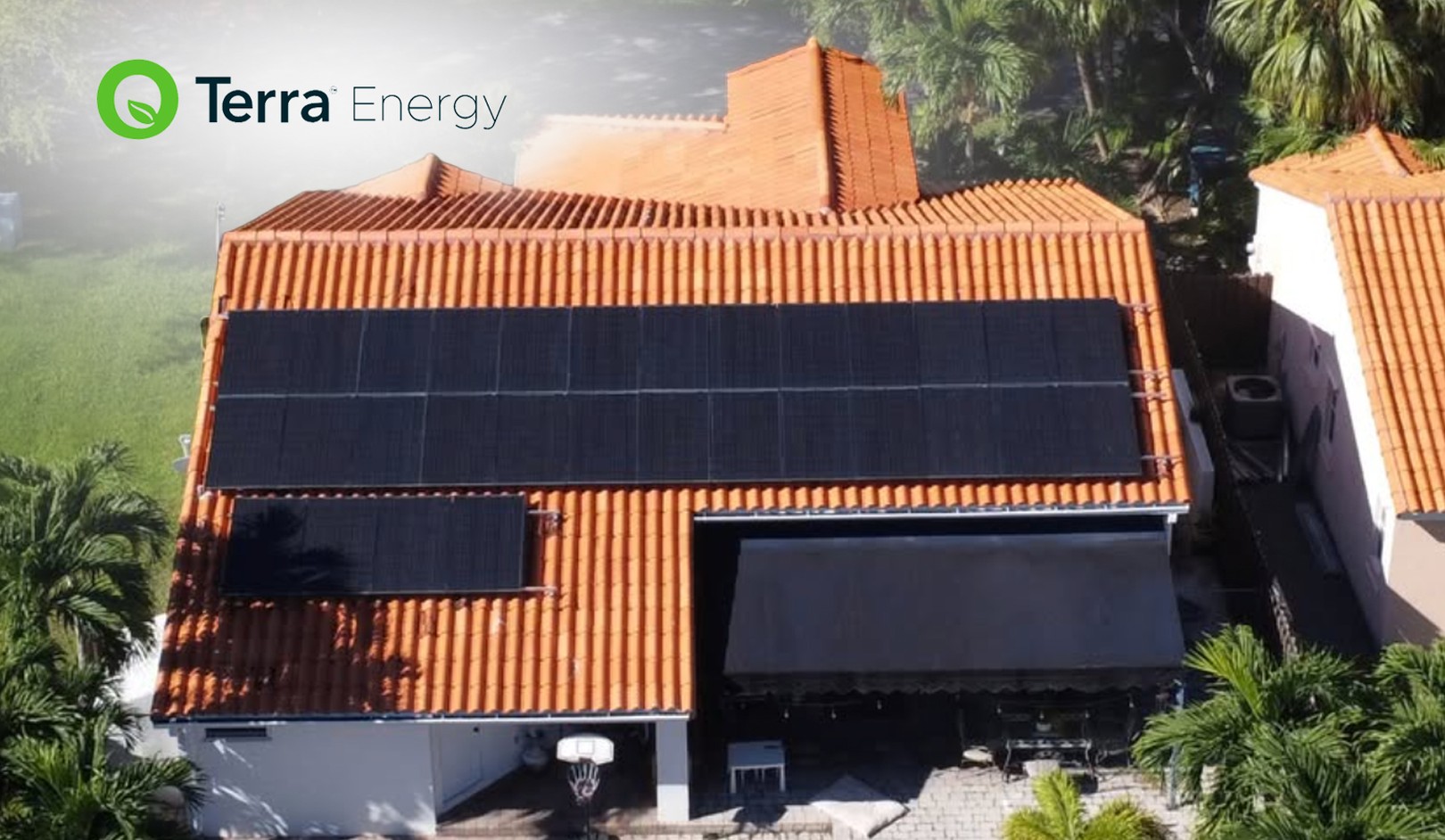
Most solar leases and power purchase agreements (PPAs) lock homeowners into a 20- to 25-year contract, making it difficult to change course if their needs or circumstances shift. Terra Energy offers a different kind of third-party ownership (TPO) deal: a 10-year solar lease that includes battery storage and lets homeowners cancel without penalty after the first 36 months. In Texas, the company can also facilitate enrollment with a retail electricity provider, bundling solar, storage, and electricity service under one relationship.
"We truly believe customers should want to stay with a TPO because they like them, not because they have to," Brad Ure, VP of strategy and implementation at Terra Energy, told EnergySage.
Here's how Terra's lease works, what sets it apart, and when another option might be a better fit.
Disclaimer: This article is intended to provide an informational overview of Terra Energy. It is not intended to serve as official financial guidance. Readers interested in installing solar products should use their best judgment and seek advice from a licensed tax professional.
In a nutshell
What it is: A 10-year solar-plus-storage lease where Terra Energy owns, maintains, and insures the system while you pay a fixed monthly amount that increases 2.49% each year.
The benefit: A penalty-free exit after a three-year commitment, no UCC-1 filing, and strict upfront site requirements designed to prevent installation problems down the road.
The catch: You don't own the system, you’ll have to pay an escalating rate, and it's currently available in just three states.
Best for: Homeowners who are wary of long-term solar contracts, want battery backup included, and value one company taking responsibility for the system from permitting through power-on.
Terra Energy offers one standardized solar lease, which it calls a solar subscription. The agreement runs for 10 years, but the commitment is effectively just three: After the first 36 months, customers can opt out at any time without penalty. Those who stay continue month-to-month through year 10, with the option to renew annually for up to another 10 years.
"Think of it as DirecTV," said Michelle Barquet Nemer, director of marketing at Terra Energy. "You don't own the DirecTV box, but someone goes into your house and puts it in, and you enjoy the benefits."
That flexibility is central to Terra's approach. The company says it's designed to address a longstanding problem in the solar industry: Homeowners can be left dealing with systems whose providers have stopped responding or gone out of business. Terra's stance is that customers should stay because they’re happy with the service, not because they’re locked into a contract.
"It's basically a three-year commitment for the customer, but a 10-year plan by Terra," Brad told EnergySage.
The subscription also comes with standardized terms and equipment. Every contract has the same fixed 2.49% annual price escalator, regardless of the project or sales proposal, and every system uses the same equipment. Terra also has a 100% battery attachment rate: It doesn't install solar without storage.
Terra Energy currently operates in Florida, Texas, and California.
Financing option | Upfront cost | Tax credit claimant | Long-term savings | Commitment | Ownership |
|---|---|---|---|---|---|
Terra Energy subscription | $0 | Terra Energy | Moderate | 3 years | Never |
Cash purchase | Highest | Not available at homeowner level | High | As long as you own your home, up to 25 years | Immediate |
Solar loan | $0 down available | Not available at homeowner level | Lower (reduced by interest, depends on rate) | As long as you own your home, up to 25 years | Immediate |
Traditional lease/PPA | $0 | TPO provider | Moderate (depending on fees and annual escalators) | 25 years | Never (unless you buy out) |
Pre-paid lease/PPA | Less than sticker price | TPO provider | High (depending on total system cost) | 25 years | After about 6 years (varies by provider) |
You're not locked into a 25-year contract
The biggest differentiator is the exit option. Most TPO agreements run 25 years, and getting out early often means paying a steep termination fee or buying out the system. With Terra, your firm commitment is three years. After that, you can leave without penalty.
That structure also shapes how Terra handles maintenance and upgrades. Maintenance is included, as with a standard lease, and Terra can add panels if your energy needs grow. The lease also covers one roof removal and reinstallation during the 10-year term—a service that Terra says typically costs homeowners $3,000 to $6,000 under other lease agreements. Michelle added that Terra provides insurance on the system, covering repairs if a storm damages the equipment or your roof.
Terra manages the process from start to finish
Like most TPO providers, Terra doesn't sell or install systems directly. Instead, it works with a limited number of channel partners in each market. Where Terra differs is in how much of the process it keeps in-house: it handles equipment procurement, engineering, permitting, and production checks before installation, and relies on its installation partners only for labor. Every system must then pass an in-house Terra inspection.
Terra also takes responsibility for getting your system through permission to operate (PTO), the utility approval needed before a system can turn on. "Even though we might use partners, we take ownership of them getting PTO," Brad said.
Terra's equipment procurement process also affects how it handles liens. The company says it doesn't allow distributors to file liens once equipment leaves the warehouse, helping protect homeowners from UCC-1 filings tied to the equipment or their homes.
Battery backup comes standard
Every Terra system includes storage. In its agreements, Terra commits to using storm-preparation settings that reserve battery capacity ahead of severe weather, and it says it won't discharge the battery below about 20% during normal operation, so some backup is always available.
In Texas, Terra partners with retail electricity provider (REP) Light to ensure homeowners can access an electricity plan that maximizes solar savings. Paired with the 40 kWh battery Terra installs in the state, the system is designed to provide whole-home backup.
Strict site requirements help prevent problems down the road
Terra screens homes for roof and electrical-system readiness before approving projects. Under what it calls the Terra Standard, homes must meet specific site requirements before installation can proceed. The company says it disqualifies more homes than competitors because of these standards.
That approach is consistent with Terra's shorter-contract model: Screening out unsuitable sites upfront can help prevent installation and performance problems that might otherwise leave customers unhappy. "We just disqualify all of those sites," Brad said.
You want to own your system
With a Terra lease, the equipment on your roof always belongs to Terra. If ownership is important to you, a cash purchase or solar loan may be a better fit—or a pre-paid TPO product if you want a path to ownership while still benefiting from the commercial tax credit.
You want a lower (or 0%) escalator
Terra's 2.49% annual escalator is standard on every contract, so there's no room to negotiate it down, and there's no 0% option as offered by some pre-paid products. Even a modest escalator compounds over time: by year 10, your monthly payment would be roughly 25% higher than it was in year one. Before signing, compare your projected payment in later years to expected utility rate increases in your area. Terra's three-year exit option does soften this risk, since you can leave if your lease no longer makes financial sense.
You want full control over your battery
Terra retains operational control of every battery it installs. In Texas, Terra collects virtual power plant (VPP) revenue itself and passes value back to homeowners through a discount. Terra says it handles solar incentives similarly—collecting them and passing savings on through pricing. If you'd prefer to decide how your battery runs or collect VPP payments directly, an owned system may be a better fit.
Terra Energy isn't available in your state
Terra currently serves homeowners in Florida, Texas, and California. If you live elsewhere, you'll need to consider other TPO providers or financing options.
Terra Energy may be a good fit if you want solar and battery backup without committing to a 25-year lease. Its three-year exit option offers more flexibility than a traditional TPO agreement, while in-house project oversight and strict site-readiness requirements are designed to head off common installation problems. In Texas, bundling electricity service with solar and storage adds another layer of convenience.
The trade-offs are control and ownership. You won't own the system, Terra sets the battery's operating parameters, and every contract comes with the same 2.49% annual price escalator. Terra also operates in just three states, limiting who can sign up.
As with any solar financing option, compare multiple quotes and weigh a Terra lease alongside ownership and other TPO structures to find the best fit for your home and budget.


Avoid peak rates and keep your essentials running, even when your street loses power.
